

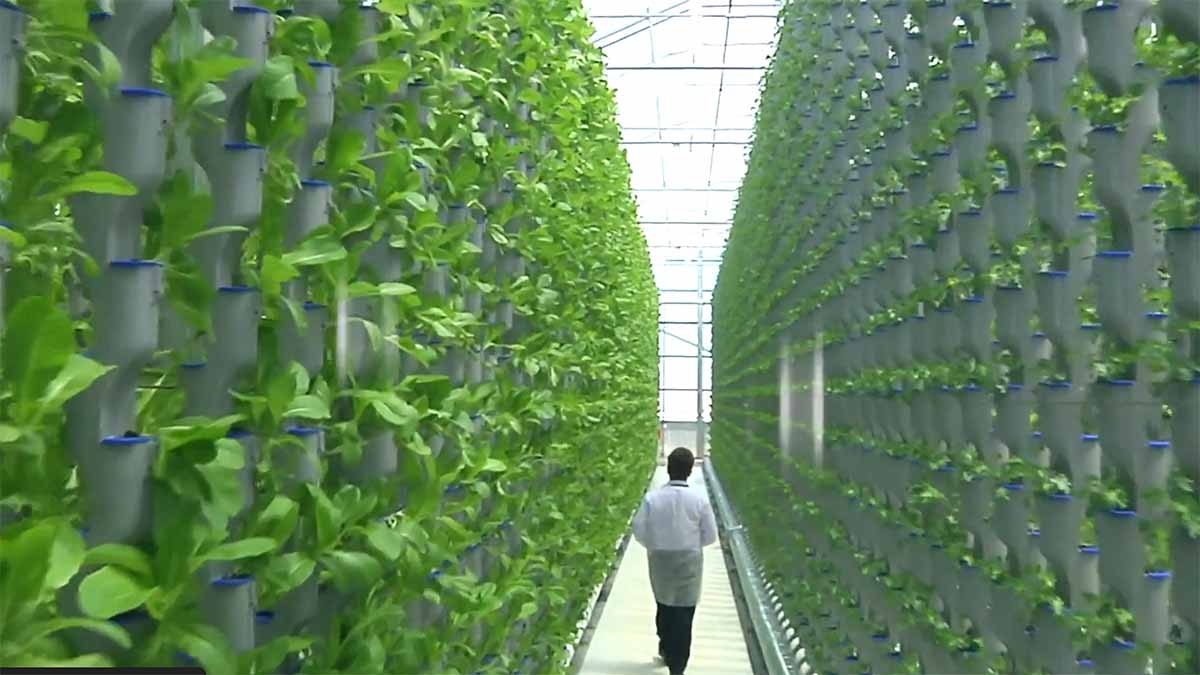
When I was at Eden Green’s grand unveiling media event seven years ago, I supported and advocated for vertical farming, but I could not dismiss within the recesses of my mind that there was something off about Eden Green. The CEO put way too much effort into associating the company with Jesus and the company’s ambitions as no less than a mission from God. The religious testimony seemed inauthentic to me, and I tried to express the feeling to a former Dallas Morning News reporter that I had worked with who was there also.
“They sure are proud of their work,” I said snidely as an opener when I had spotted her in line for hors d’oeuvres during the reception after the main presentation.
“They deserve to be,” she retorted with sanctimonious disdain for my questioning this noble endeavor.
Our conversation ended right there. I had been rebuked.
Among all the sycophants that had been invited there that day, mostly Dallas-area food bloggers with several dozen followers each who were just happy to be invited and feeling like they might just be ready to quit their day jobs now that someone thought enough of them to send an Uber to take them to the event, I was the lone critic, and a few of my questions did not settle well with the company reps, I could tell.
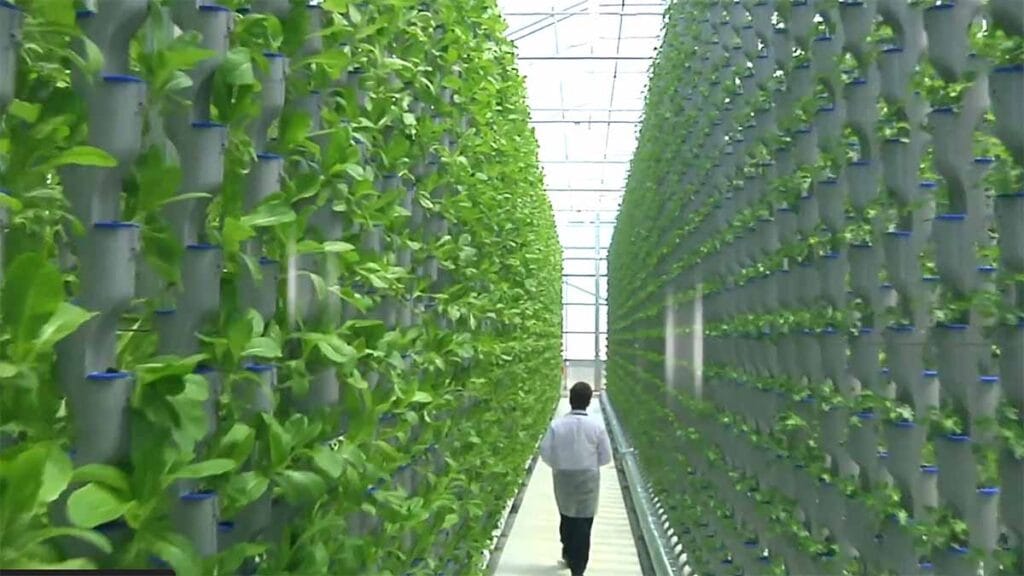
I may have been the only one invited who had a little growing experience and even greenhouse experience. I knew how much concrete costs to pour, and how much steel costs to put up, and transparent sheeting — and I could guess just what the electric bill would be for of all things, air conditioning the whole Walmart-sized greenhouse. Not a wet wall of evaporative cooling — actual industrial-sized chillers like you’d find cooling the air at the American Airlines Center.
And Eden Green wasn’t growing high-value produce. It was growing greens. Some foodies might cross the road or attend a farmers market and pay a premium for an especially delicious tomato, but greens like spinach, kale, lettuce — it’s difficult to even encourage people to eat more of these.
I couldn’t see how Eden Green could ever turn a profit. And the complexity of the growing tubes that they had patented for their operation only made me question all the more how labor intensive the process was.
How could Eden Green ever pay the salaries of 100 workers, a CEO and other company executives and return value to its shareholders off of penny-per-leaf income from greens, I wondered.
In the years since Eden Green opened, at least one shareholder became suspicious of the company, sued and settled out of court.
In my opinion, the company was a ruse that used the excitement about the potential for vertical farming to shakedown investors. Its October 2023 $40 million expansion announcement was, in my opinion, an attempt to appear profitable and enthused about the future to garner even more investor confidence. And now that the several CEOs and other company executives have fed themselves well from the trough of investor funding for nearly a decade, the scheme has served its purpose.